

Off season hotel deals represent a powerful economic and experiential solution for travellers seeking high quality without the high price tag.
At its core, an off-season deal is a strategically discounted offering from a hotel to combat periods of naturally low demand, often determined by weather patterns, school holidays, or major events.
These deals solve the primary problem of budget-conscious travel: how to enjoy luxury and prime locations without incurring peak season costs.
They are not merely last-minute sales; they are pre-planned, deliberate pricing strategies designed to maintain steady occupancy rates and operational revenue for the hotel.
For the consumer, the benefits extend far beyond monetary savings. The fundamental use case for seeking off-season deals is the desire for a superior travel experience through reduced crowds.
Imagine wandering through the Louvre in January, or lounging on a Greek beach in late September, without the masses of peak-season tourists.
The hotel, in turn, can offer an elevated level of personalised service—staff are less rushed, room upgrades are more frequent, and a more intimate atmosphere prevails.
This confluence of cost savings and improved service makes the off-season window the optimal time for those who prioritise value, tranquility, and a deeper immersion into the local culture.
Leveraging Technology to Capture the Best Off-Season Value
The ability to successfully find and book the best off-season hotel deals is fundamentally enabled by modern travel technology, which acts as a dynamic pricing and distribution tool.
Hotels utilise sophisticated Revenue Management Systems (RMS) that dynamically adjust pricing based on predicted demand, current occupancy, and competitor rates.
During the low season, the RMS instantly flags rooms that are likely to remain empty and automatically generates discounted rates or packages to lure value-driven travellers.
The core benefit of this technology is the maximisation of value for the consumer through highly specific targeting.
For instance, Personalised Email Marketing segments past guests who prefer weekend spa breaks or long-stay workations, offering them tailored, often hidden, off-season deals directly.
Furthermore, Online Travel Agencies (OTAs) and hotel websites use Price Prediction Algorithms that analyse historical data to advise consumers on the absolute cheapest time to book,
turning the previously unpredictable nature of low-season pricing into a transparent, actionable benefit for the astute traveller.
This technology transforms the search process from a lucky accident into a strategic hunt for the best available price point.
Real-World Examples of High-Value Off Season Hotel Deals
The best off-season deals are intrinsically linked to specific destinations that experience dramatic seasonal swings in popularity and pricing. Here are five exemplary types of destinations and the packages they offer during their low seasons.
The Mediterranean Islands: Shoulder Season Sun in Greece
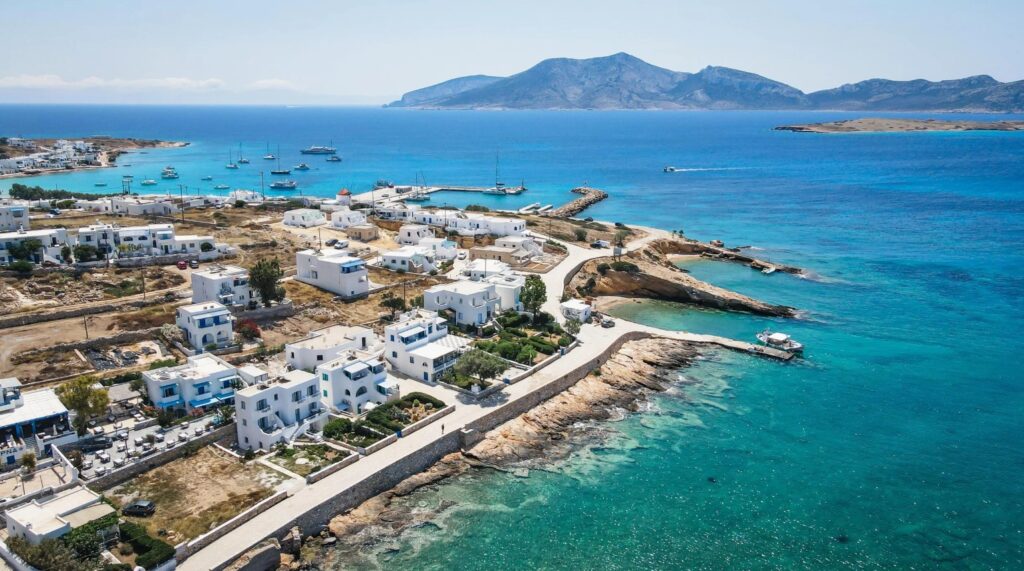
Destinations like the Greek Islands (e.g., Rhodes or Mykonos) offer their most remarkable value during the shoulder season—late April-May and late September-October.
While peak summer sees astronomical prices, the shoulder months maintain excellent weather and warm seas.
Hotels often create Mediterranean Shoulder Season Packages that bundle accommodation with activities. These packages are ideal for couples and cultural explorers.
They solve the problem of experiencing ancient sites (like the Lindos Acropolis) without the crushing summer heat and crowds.
The package typically includes half-board dining, making the daily cost significantly lower than buying meals à la carte during the busy season. The price dip is a direct result of reduced flight and tour operator demand.
The European Alps: Summer Hiking and Wellness Escapes

The Swiss Alps, including destinations like Zermatt and Saas-Fee, are world-famous for winter skiing,
making their summer/early autumn months (June–mid-July and late August–September) the off-season. This is known as the “Green Season.”
Hotels transition their offerings to Alpine Green Season Wellness Retreats. The use case is for travellers interested in hiking, nature photography, and wellness.
During this period, guests are likely to receive complimentary suite upgrades with Matterhorn views and heavily discounted access to extensive spa and hydrotherapy facilities.
The problem solved is twofold: access to premium alpine luxury at non-skiing prices, and the ability to enjoy unique summer activities like alpine hiking and wildflower viewing.
The Caribbean: Tranquil Deals Outside Peak Hurricane Season

Many Caribbean islands, such as Grenada and Tobago, offer significant off-season deals during the months of May-June and late October-early December.
While these dates fall outside the main peak winter escape period, they often provide excellent weather windows.
The focus shifts to Caribbean Calm Boutique Beachfront Deals. These deals are perfect for relaxed couples and divers.
Resorts deeply discount their rates and often add high-value inclusions like spa credits or free dive excursions to entice bookings.
This helps the resort manage cash flow during periods of naturally lower international traffic.
The use case is securing a luxury tropical getaway with exceptionally high service levels (more staff to fewer guests) and uncrowded beaches for a fraction of the cost of a Christmas or New Year’s booking.
Las Vegas: Summer Desert Deals
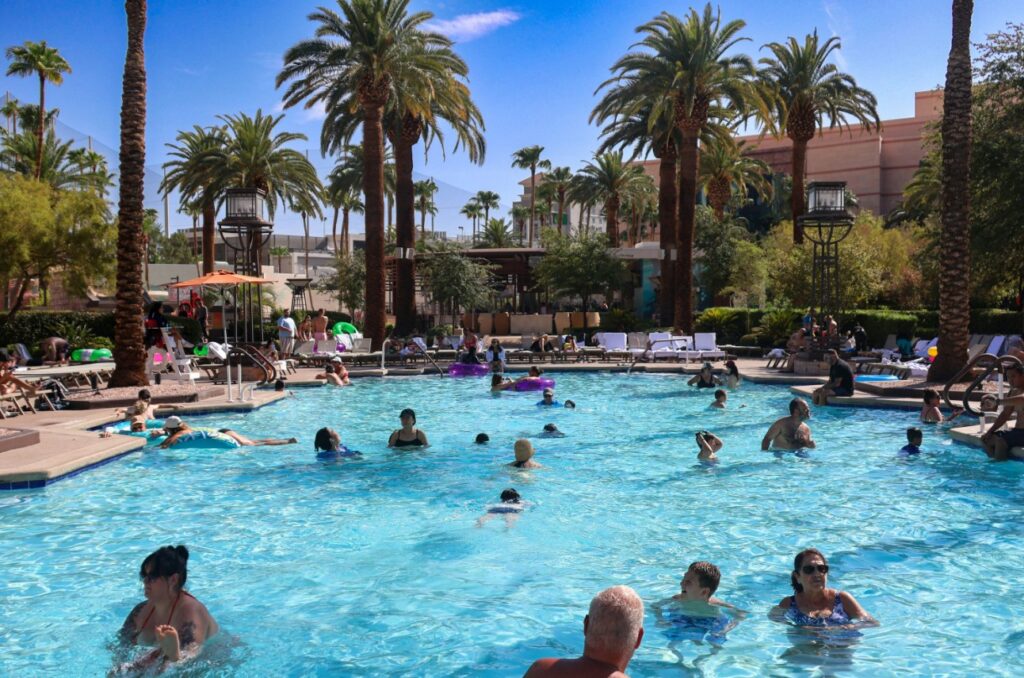
Las Vegas has two main peak seasons: major conventions/holidays and the ideal spring/fall weather. The deep summer (July–September) is the off-season due to extreme heat.
Hotels and resorts offer Vegas Summer Poolside Resort Credit Bundles. The target is the heat-tolerant, value-seeking traveller who plans to spend their days poolside or indoors at shows/casinos.
Rates for suites can drop dramatically. A key feature is the inclusion of significant “Resort Credits” for dining and drinks, effectively lowering the overall spend.
This use case solves the problem of affording a luxury suite and dining experience at an otherwise ultra-premium destination.
Major World Cities: Winter Culture Breaks in New York or Paris
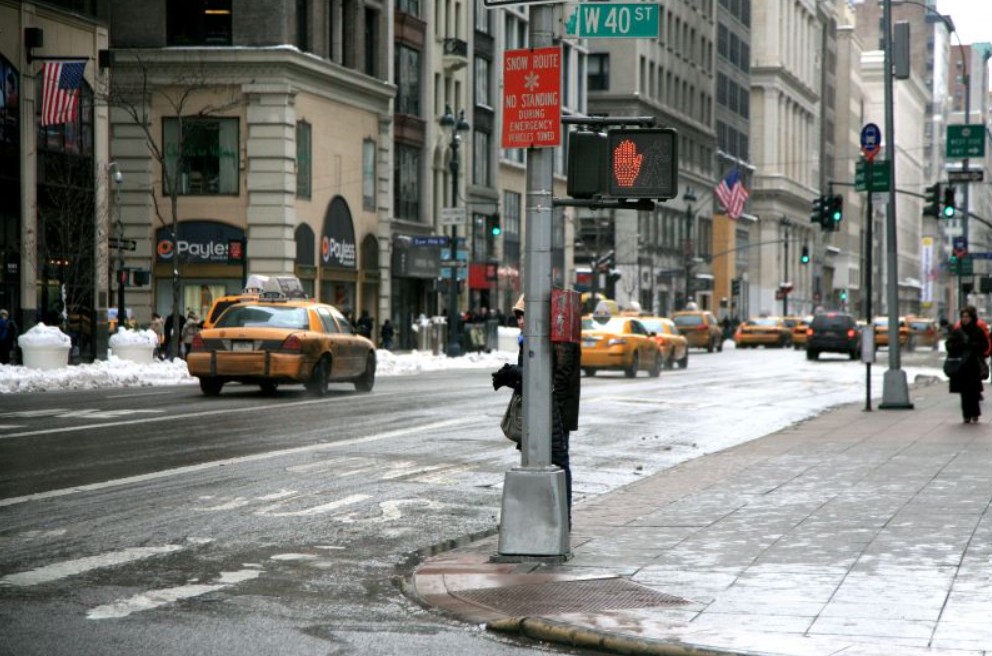
Big cultural hubs like New York City, London, and Paris see their low-season in January and February, immediately following the Christmas/New Year holidays.
Deals are structured as City Winter Culture and Theatre Packages. This is an ideal use case for the culture vulture who values museum visits and theatre.
These packages often include deep discounts on room rates and bundles with free or reduced-price tickets to museums (like the Louvre or the Met) and Broadway/West End shows.
The problem solved is accessing world-class cultural attractions without long lines, in addition to significant savings on accommodation.
Comparative Analysis of Off Season Hotel Deals Use Cases
The choice between off-season deals is entirely dependent on a traveller’s core motivation and tolerance for specific weather.
| Factor | Mediterranean (Shoulder) | Alps (Green Season) | Caribbean (Low Season) | Big Cities (Winter) |
| Use Case | Cultural immersion, warm beach leisure with fewer crowds. | Active relaxation, hiking, high-end wellness/spa at value price. | Tropical luxury, high service, diving, and tranquil beaches. | Culture, shopping, theatre, and dining without tourist congestion. |
| Pros | Great weather, warm sea, significant price drop from peak. | Stunning scenery, very low crowds, excellent suite/upgrade chances. | Highest staff-to-guest ratio, lowest price point for luxury, very lush landscapes. | Best access to major attractions (no lines), lower total cost of trip (flights/hotels). |
| Cons | Very late September/October may see unpredictable rain. | Some high-altitude lifts may be closed; requires specific gear (hiking). | Risk of tropical showers or, rarely, tropical storms (must buy travel insurance). | Cold/inclement weather, fewer hours of daylight for sightseeing. |
| Price | Mid-Range Value | High-Range Value | Budget-to-Mid-Range Value | Mid-Range Value |
| Key Feature | Free dining/half-board upgrades. | Complimentary spa access/treatment credits. | Resort credits and free excursions. | Free attraction passes or theatre ticket bundles. |
The Profound Benefits of Off Season Hotel Deals
The most substantial benefit of leveraging off-season hotel deals lies in the enrichment of the travel experience itself.
This is the Luxury of Solitude. By securing a deal during a low-demand period, the traveller fundamentally purchases a different, and arguably higher-quality, product.
The experience is often defined by an increased sense of exclusivity and reduced friction.
Hotels are not simply selling empty rooms; they are selling unused operational capacity at a discount. This translates to an exponentially better customer experience.
Service staff are less stressed and more attentive, leading to quicker check-ins, prompt room service, and more engaged concierge assistance.
The likelihood of receiving an upgrade to a premium room or suite without additional cost skyrockets simply because the inventory is available.
This enhanced level of service and personal space—the ability to enjoy a pool, a museum,
or a renowned restaurant without competing with hundreds of other tourists—is the true high-value, beneficial outcome of booking an off-season hotel deal.
See also: Early Booking Discounts Hotels
Where and How to Secure the Deals
For a traveller to successfully execute the transaction and obtain the best deal, a disciplined purchasing process is required.
Where to Buy:
The best off season hotel deals are typically found in two places:
- Hotel Direct Websites (Preferred): Hotels often offer their deepest package discounts (which include added-value items like spa credits, free dinners, or complimentary parking) to guests who book directly. They use these packages to make up for the lower room rate with ancillary spending.
- Major Online Travel Agencies (OTAs) (Price Comparison): For the absolute lowest rate on a room-only basis, sites like Expedia, Booking.com, and specific discount aggregators are essential for price comparison, especially for very last-minute deals.
How to Buy (The Strategy):
- Flexibility is Currency: Check the hotel’s ‘Offers’ or ‘Packages’ page for dates in January, February, or the specific shoulder months of your destination. The deepest deals are often for mid-week stays (Tuesday and Wednesday nights).
- Search Broadly: Use the term “hotel deals” but then filter by month, e.g., “Paris hotel deals February” or “Caribbean resort packages November.”
Call to Action: Secure Your Off-Season Luxury
Ready to escape the crowds and secure luxury for less? Start your search by checking the official offers pages of major hotel groups in your desired off-season destination. Look for packages that bundle value-added services—this is where the true saving is found.
| Destination Type | Example Purchase Link (Simulated) | Indicative Off-Season Price (Per Night) |
| Mediterranean | Find Greek Island Shoulder Season Deals Now | €90 – €180 |
| European Alps | Book Alpine Green Season Wellness Packages | €150 – €300 |
| Caribbean | Check Low Season Caribbean Beachfront Offers | $120 – $250 |
FAQ
Q1: What are the main disadvantages of booking off-season hotel deals?
A: The main disadvantages are weather and limited availability of certain seasonal activities. For instance, a beach resort in the winter might have fewer outdoor watersports available, or a city break in January might mean colder weather. Additionally, some smaller, family-run restaurants or shops in tourist-heavy areas might be closed during the absolute low season. Always check the typical weather and key local operating hours for your specific travel dates.
Q2: Is “off-season” the same as “last-minute”?
A: No, they are distinct. Off-season refers to a predetermined time period (e.g., January in the Mediterranean) where demand is low, and prices are set low well in advance. Last-minute deals are rates dropped at the final moment (usually 24-72 hours before arrival) to fill unexpected vacancies, which can happen in any season, but are most common during the off-season. Booking an off-season deal can be done months ahead, guaranteeing the price, while last-minute deals carry a higher risk of limited choice.
Q3: How much money can I realistically save by booking off-season deals?
A: Savings are significant and vary by destination. For high-demand locations like the Maldives or major European cities, booking in the deep off-season (e.g., May or January, respectively) can result in a 25% to 50% reduction in the base room rate compared to the peak season rate. When factoring in the included value-added items (free meals, resort credits, complimentary tours) often bundled into off-season packages, the total value saved can be even higher.